Tattletail: 90s-era Mascot Horror with Pet-Caretaking Stealth
Tattletail from Waygetter Electronics is a short, story-driven survival horror reimagining 1990s robotic pets as uncanny threats. Players care for a demanding toy while completing tasks across several nights; the core loop pairs basic pet upkeep with stealth and sound awareness. The release bundles an additional campaign and a collectible-driven alternate ending alongside period-accurate toy adverts. The game targets fans of indie mascot horror who favour tense, audio-focused play sessions before a fixed finale.
What kind of game is Tattletail?
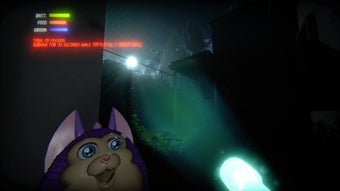
In this game, the player inhabits December 1998 and is motivated by a simple childhood impulse: opening a Christmas present early. The narrative frames a short campaign of night-by-night objectives that end at Christmas morning. The antagonist is a recalled model that actively searches for noise, which places the story emphasis on stealth, tension, and a small, self-contained arc rather than open exploration.
Does it have a multiplayer mode?
The experience is organised as a solo run through scripted nights and story beats, not a cooperative or competitive multiplayer design. After completing the main sequence, an additional campaign called The Kaleidoscope becomes available. Players can pursue alternate conclusions, and locating 22 hidden eggs unlocks a secret good ending, so replaying specific nights supports discovering different narrative outcomes.
What does the game look and sound like?
Inside the house, visuals use period-accurate 1990s decor and in-world toy commercials to establish mood. Audio is central: ambient creaks, toy chatter, and advertising jingles form a constant backdrop. Light is scarce; the primary torch uses a shake-to-charge mechanic that produces a clicking sound, forcing players to weigh improved visibility against increased risk of attracting the sound-sensitive threat.
How steep is the learning curve?
Beginners face a compact progression built around explicit chores and survival constraints. Gameplay teaches you to meet the toy's needs while avoiding loud actions; the rules are clear and repeatable across nights. The pacing emphasises short, tense sessions rather than long-term progression, and the collectible-driven good ending rewards meticulous searching more than extended grinding or open-ended advancement.
Recommended for players who enjoy short, tense audio-driven horror
Tattletail is a focused, atmosphere-first title that suits players looking for a brief but intense mascot-horror outing. Its night-based structure and secret-ending incentives favour careful, repeatable runs and reward exploration within a confined setting. However, those seeking lengthy campaigns or open-ended progression may find the scope limited; the game is strongest for fans who appreciate tight, replayable horror sequences.